

A Beginner’s Guide to Tile Sizes and How They Impact Your Room

Introduction: Choosing the right tile size is one of the most important decisions when designing or renovating any space. Whether you’re remodeling a kitchen, bathroom, or living room, the size of the tiles you choose can completely alter the aesthetic and feel of the room. In this beginner’s guide, we’ll explore how different tile sizes can impact your space and help you make the best choice for your project.
1. Tile Sizes: Common Options and Where to Use Them
Tiles come in a wide range of sizes, each serving different purposes in a space. Here’s a breakdown of common tile sizes and their uses:
Small Tiles (1×1, 2×2, 3×3 inches):
-
Best for: Small bathrooms, kitchen backsplashes, intricate detailing.
-
Look & Feel: These smaller tiles are perfect for adding texture and intricate designs to tight spaces. They can make a room feel cozy, detailed, and personalized. They are commonly used for mosaic patterns, borders, or accents.
-
Installation Tip: While small tiles offer a lot of design flexibility, they require more grout lines, which means more cleaning and maintenance.
Medium Tiles (4×4, 6×6, 12×12 inches):
-
Best for: Standard bathrooms, kitchens, living rooms, and floors.
-
Look & Feel: These tiles provide a balance between coverage and design. They are great for most spaces, offering enough pattern variety without overwhelming the space. Medium tiles give a more consistent appearance and are easier to install compared to smaller tiles.
-
Installation Tip: These tiles work well with a variety of patterns, including grids or straight arrangements.
Large Tiles (18×18, 24×24, 36×36 inches):
-
Best for: Open spaces, large rooms, modern designs.
-
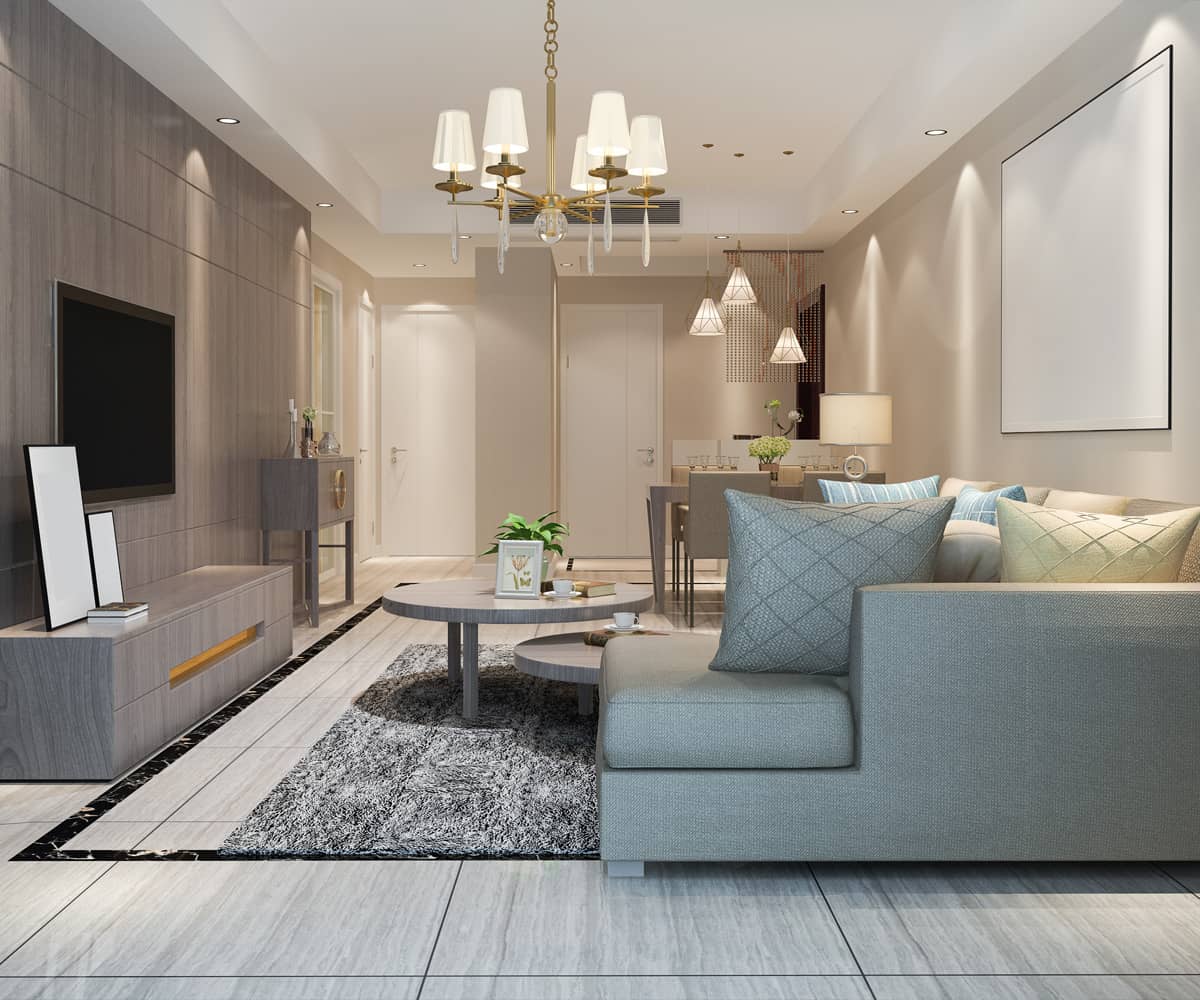
Look & Feel: Large tiles can make a room feel more expansive and seamless, as they reduce the number of grout lines. They work beautifully in spacious areas like living rooms, kitchens, and entryways.
-
Installation Tip: Large tiles need a professional installation, as they must be laid down evenly and aligned properly to avoid visible seams and gaps.
Rectangular Tiles (6×24, 8×48 inches):
-
Best for: Long rooms or hallways, wood-look tile floors.
-
Look & Feel: These tiles are incredibly versatile and are often used to mimic the look of hardwood flooring. Their elongated shape allows for visually elongating narrow spaces or creating different patterns, such as herringbone or chevron.
-
Installation Tip: When using large rectangular tiles, stagger the seams to give your floor a more natural, dynamic look.
2. How Tile Size Affects the Perception of Space
The size of the tiles can make a huge difference in how your room looks and feels. Here’s how:
Larger Tiles for Bigger Spaces
-
Why it works: Larger tiles, such as 24×24 or 36×36 inches, can create a more open and continuous feel in a room. With fewer grout lines, they offer a sleek, modern look, especially for living rooms, open-concept areas, or large kitchens.
-
Effect on the Room: Larger tiles make a room appear larger and less cluttered by reducing visual interruptions. The seamless appearance of larger tiles enhances the feeling of openness and fluidity.
Smaller Tiles for Smaller Spaces
-
Why it works: Smaller tiles like 1×1 or 2×2 inches can create an intricate pattern, adding personality to small spaces such as bathrooms or entryways. They offer a traditional or vintage vibe and are ideal for creating detailed, artistic mosaics.
-
Effect on the Room: While smaller tiles can make a space feel cozy, they can also make a room feel visually cluttered if not used wisely. It’s important to balance design complexity with room size.
3. Tile Size and Room Proportions: How to Choose Based on Room Shape
For Square Rooms:
-
Square rooms (like bathrooms or small kitchens) often look great with square tiles. Whether you choose small, medium, or large tiles, square-shaped spaces allow you to create a uniform look without overcrowding. If you want to elongate the space, try using rectangular tiles.
For Rectangular Rooms:
-
Long or rectangular rooms (like hallways or living areas) can benefit from rectangular tiles to enhance the room’s length. You can lay these tiles in linear patterns to emphasize the room’s natural flow. Additionally, large rectangular tiles help reduce visual interruptions and create a sleek, seamless look.
For High-Ceiling Rooms:
-
Large tiles in high-ceiling rooms, like grand living rooms, can create a grand feel, drawing the eyes upward without making the space feel too “heavy.” However, using too many large tiles in a very tall room might create an overwhelming effect. In these spaces, a combination of large floor tiles and smaller accent tiles on walls works best.
4. Grout Lines: The Impact of Tile Size on Maintenance
Larger tiles tend to have fewer grout lines, which can reduce maintenance time, making them easier to clean. Smaller tiles, while adding visual interest, require more grout, which can trap dirt and moisture, making cleaning more frequent and challenging.
Pro Tip: If you prefer smaller tiles but want to minimize grout maintenance, choose glazed tiles that are easier to clean and maintain. Porcelain tiles are a great option for both large and small tile installations as they are non-porous and durable.
5. How to Choose the Right Tile Size for Your Room:
Consider Your Room’s Purpose:
-
In high-traffic areas like hallways and kitchens, larger tiles are often more practical as they are easier to clean and maintain.
-
In wet areas like bathrooms, smaller tiles (such as mosaics) are great for adding detail and texture, especially in showers or backsplashes.
Match the Tile to Your Style:
-
For a modern look, go with large, minimalistic tiles.
-
For a traditional or vintage look, smaller, patterned tiles can create a more detailed aesthetic.
Room Size and Layout:
-
If your room is small, consider medium to smaller tiles to avoid overcrowding the space. Larger tiles can work in small rooms, but the grout lines might be too wide and overwhelm the space.
-
For larger rooms, feel free to go with larger tiles to achieve an expansive, seamless look.
Conclusion:
The right tile size can make all the difference in how your room feels and functions. Whether you’re working with a small bathroom, a large living room, or a commercial space, choosing the right tile size will influence the visual appeal and the overall atmosphere of the space.